
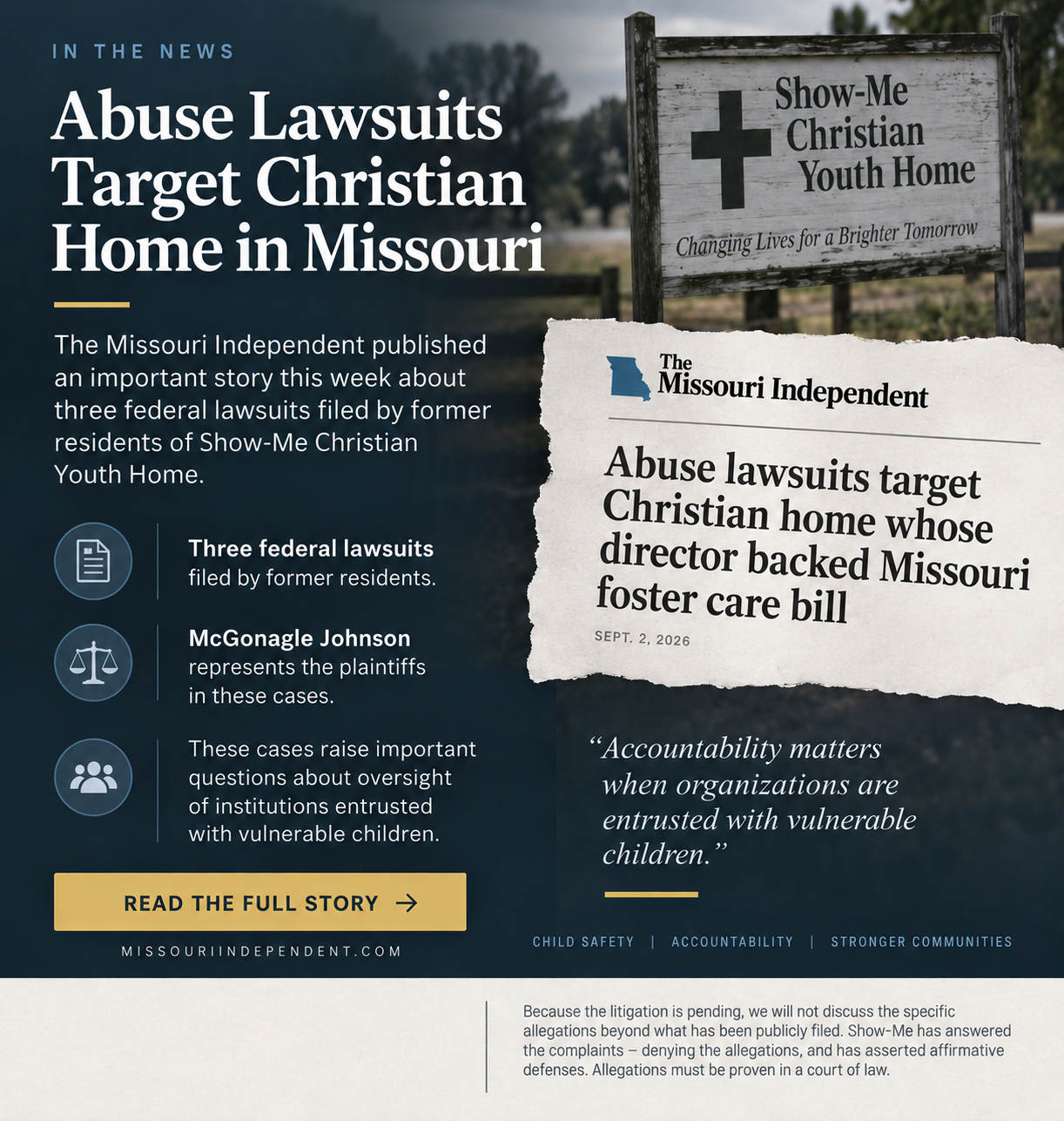
Three McGonagle Johnson clients’ lawsuits against Show-Me lead to a broader story published in the Missouri Independent.
Congress passed the Stop Institutional Child Abuse Act in late 2024, but many people misunderstand what the law actually accomplished. Nearly two years later, here's what SICAA requires, what it leaves unchanged, and why families are still waiting for meaningful federal oversight.
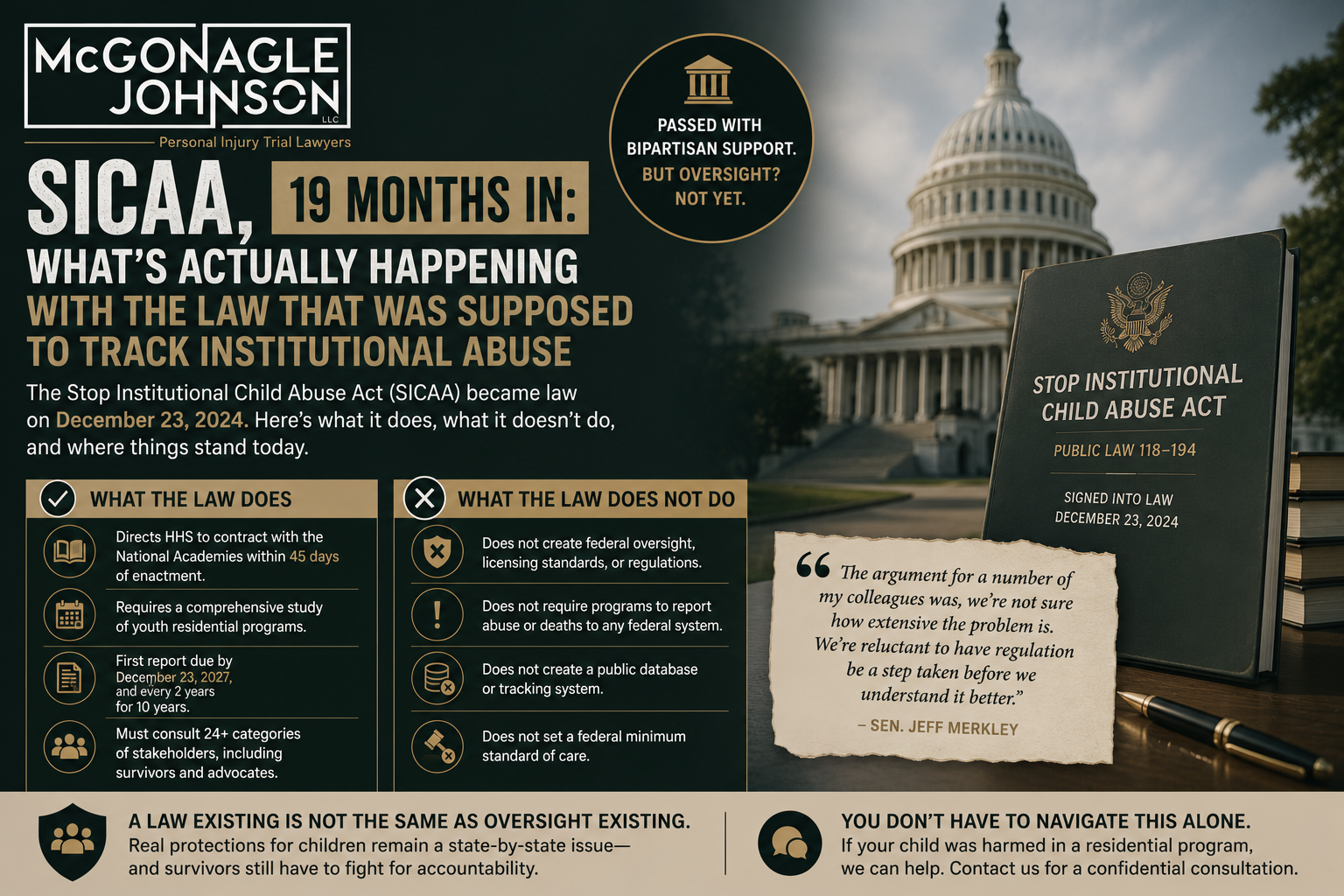
SICAA, 19 Months In: What's Actually Happening With the Law That Was Supposed to Track Institutional Abuse
Congress passed the Stop Institutional Child Abuse Act in late 2024, but many people misunderstand what the law actually accomplished. Nearly two years later, here's what SICAA requires, what it leaves unchanged, and why families are still waiting for meaningful federal oversight.
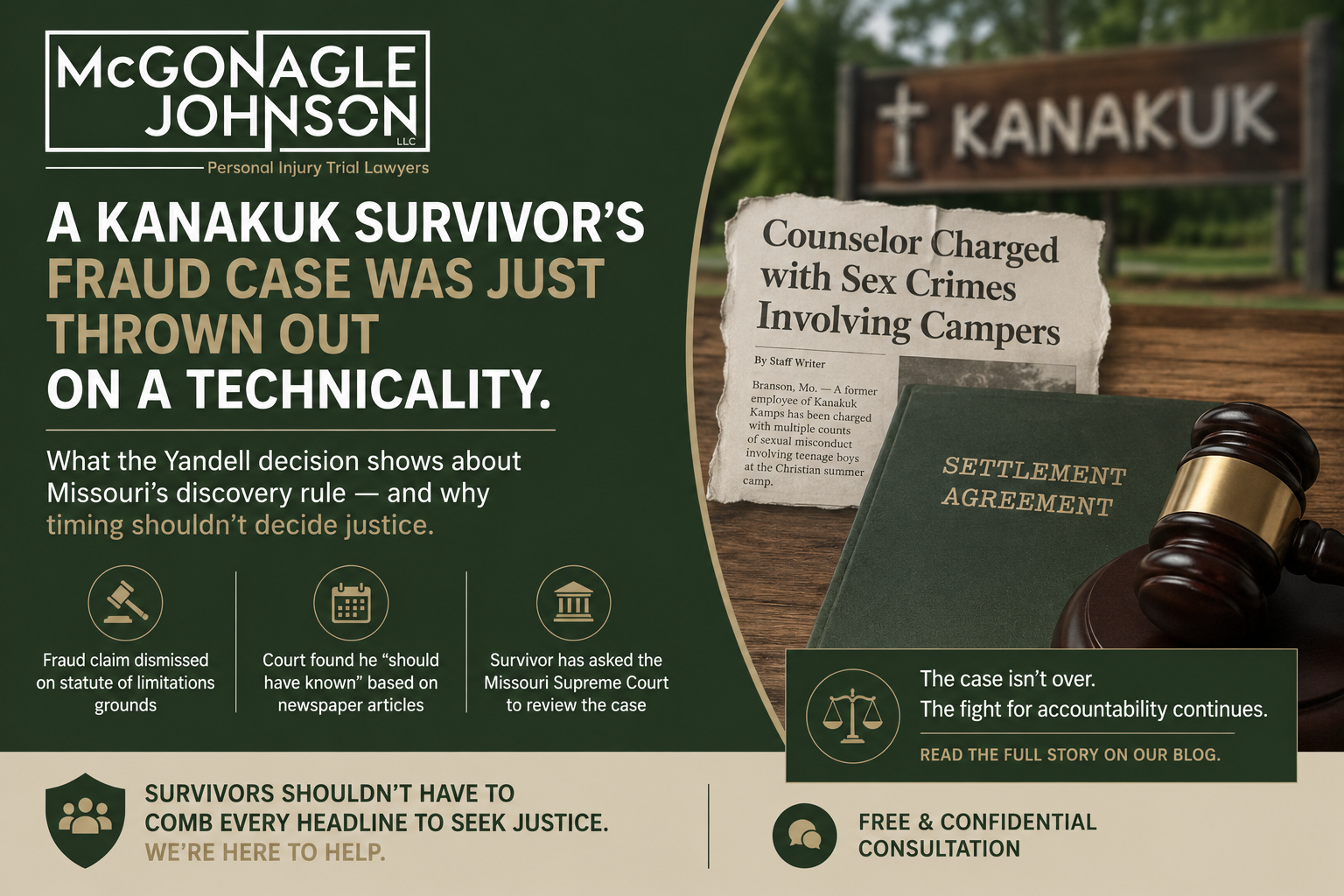
A Kanakuk Survivor's Fraud Case Was Just Thrown Out on a Technicality. It Shows Exactly What's Wrong With Missouri's Discovery Rule.
A Missouri Court of Appeals decision dismissed a Kanakuk survivor's fraud lawsuit based on when the court found he should have discovered the alleged concealment—not whether the alleged fraud occurred. Here's what the ruling means for survivors, the discovery rule, and institutional accountability.
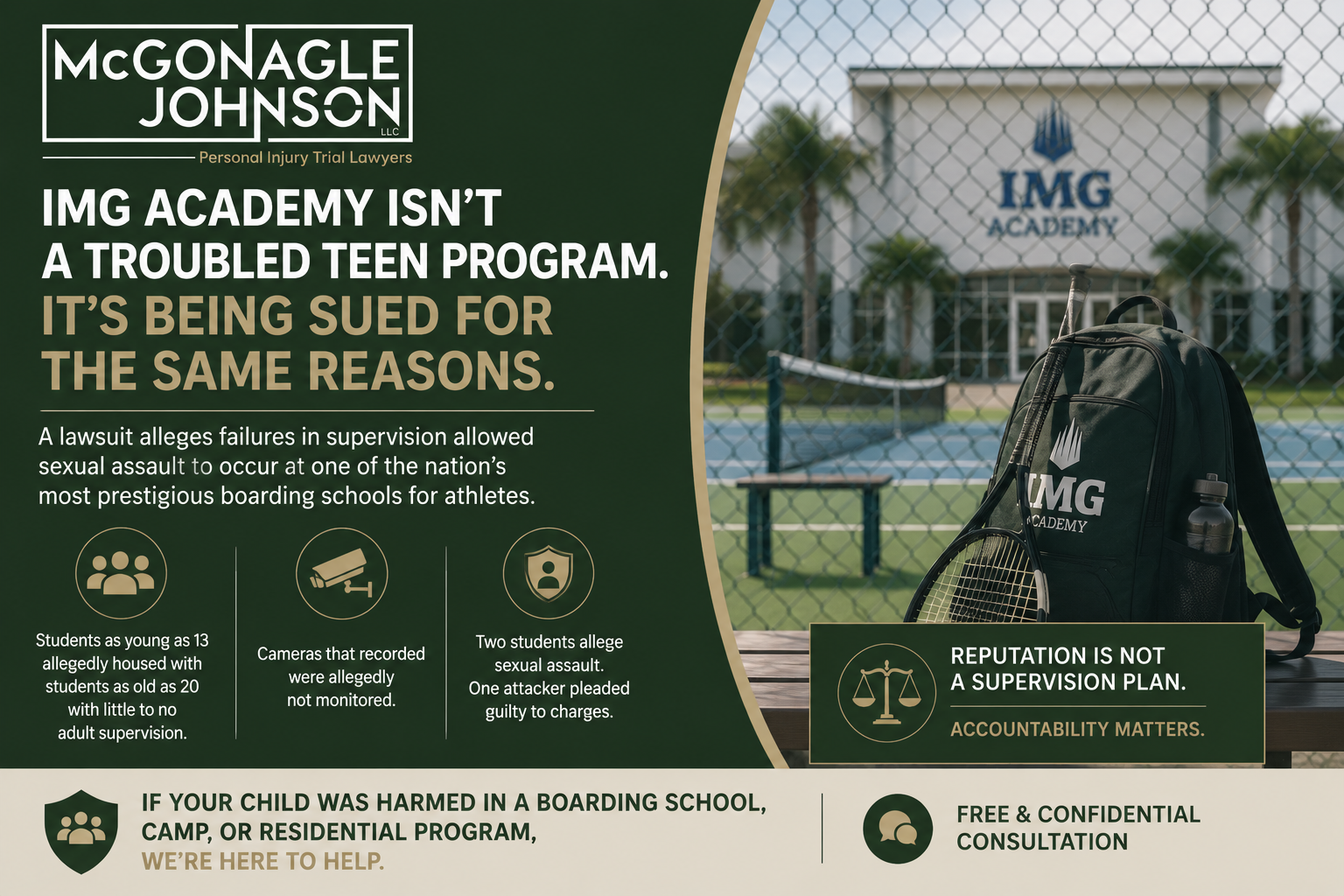
IMG Academy Isn't a Troubled Teen Program. It's Being Sued for the Same Reasons.
IMG Academy is one of the nation's most prestigious boarding schools for young athletes. A new lawsuit alleges that behind its reputation were serious failures in supervision that allowed student-on-student sexual assault to occur. Here's what the allegations reveal—and why they matter far beyond one school.
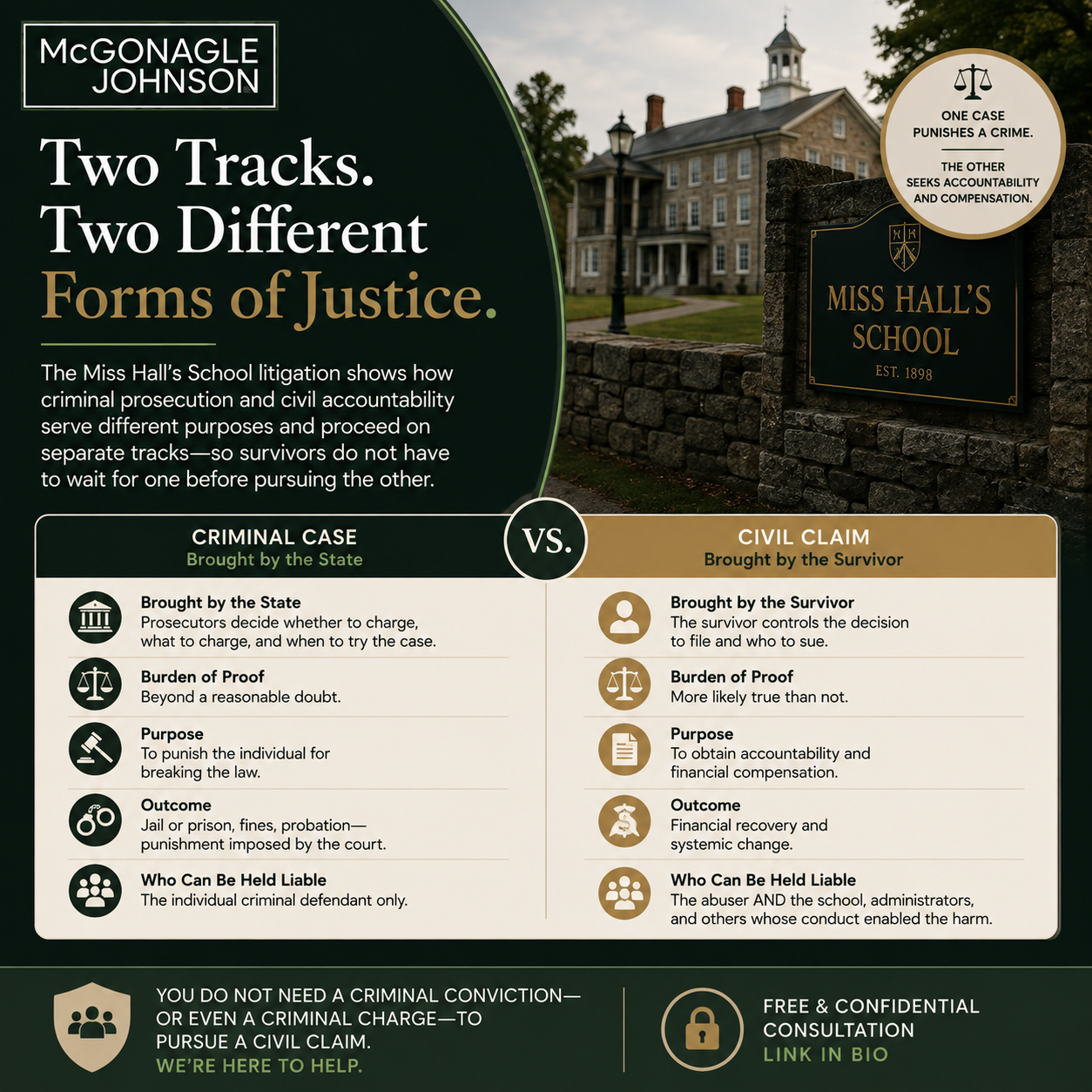
The Criminal Case Belongs to the State. The Civil Claim Belongs to the Survivor.
A criminal case belongs to the State and seeks punishment. A civil claim belongs to the survivor and can pursue accountability from both the alleged abuser and the institutions that enabled or failed to prevent the harm. The Miss Hall’s School and Circle of Hope cases show why survivors do not have to wait for the criminal process to end.
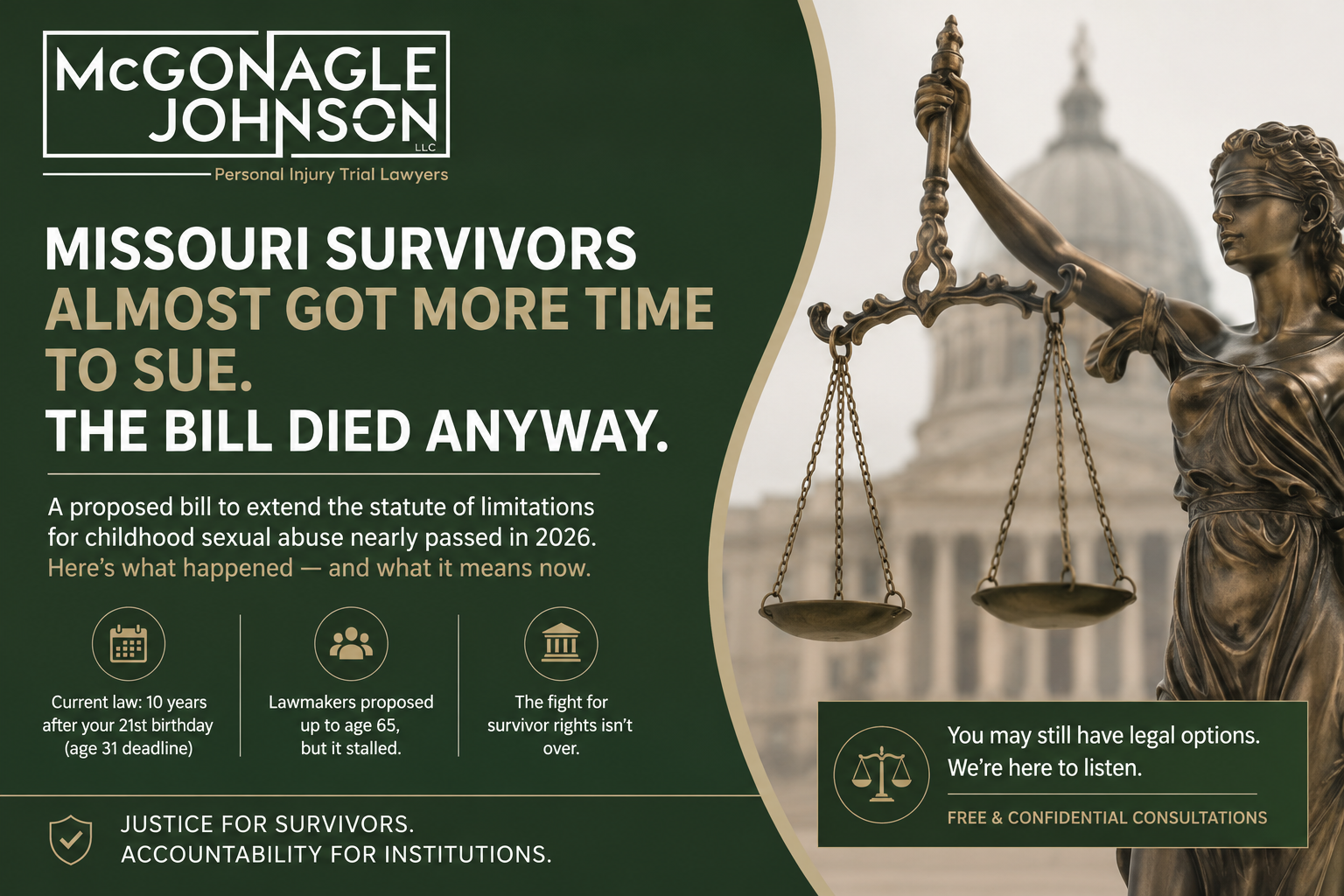
Missouri Survivors Almost Got More Time to Sue. The Bill Died Anyway.
Missouri lawmakers came closer than they have in years to expanding the time childhood sexual abuse survivors have to file civil lawsuits. Here's what the proposed legislation would have changed, why it failed, and what the law means for survivors today.
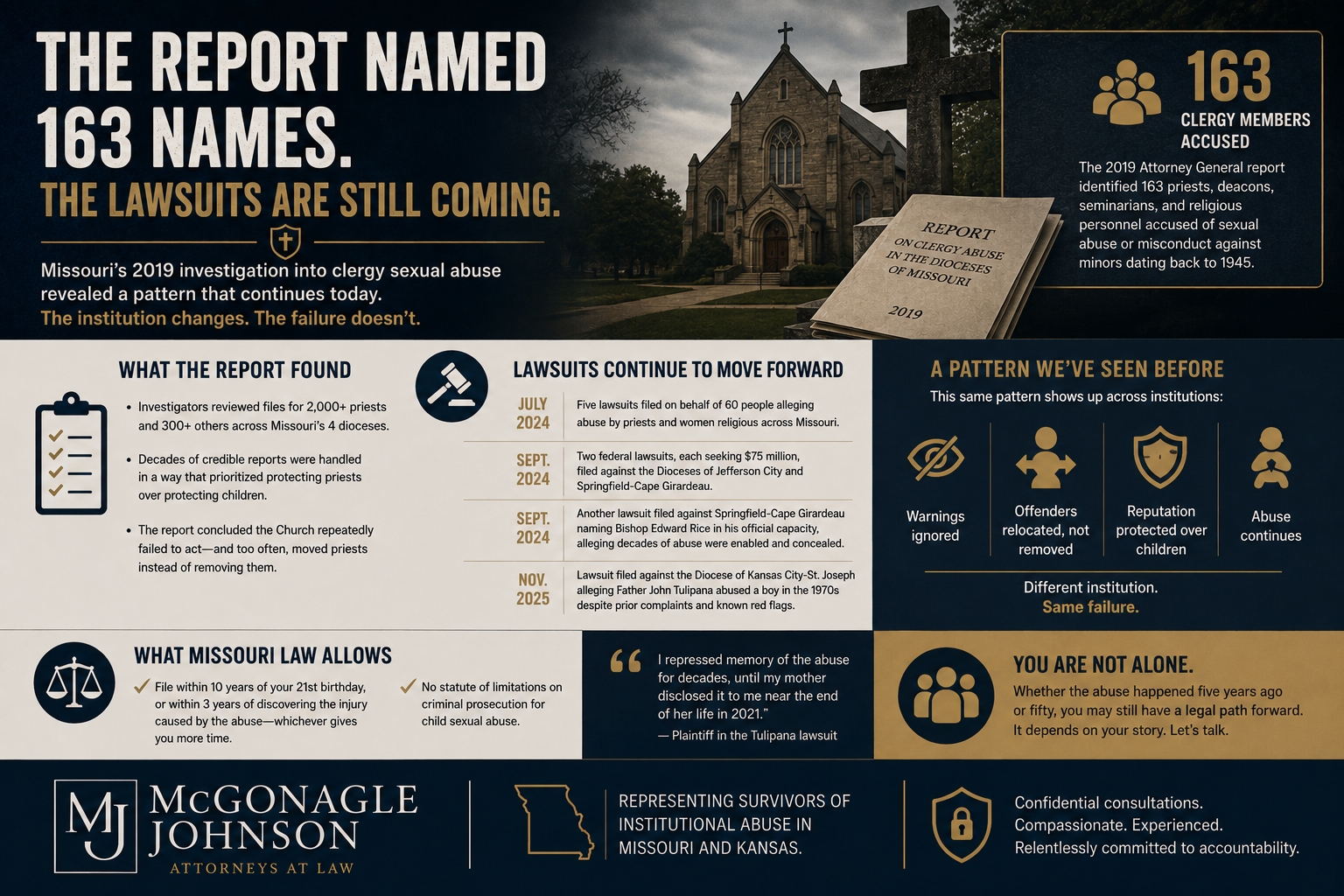
The Report Named 163 Names. The Lawsuits Are Still Coming.
More than six years after Missouri investigators identified 163 clergy members accused of abusing children, the lawsuits are still coming. Here's what the Attorney General's report uncovered, why new cases continue to be filed, and what survivors should know about Missouri's civil statute of limitations.
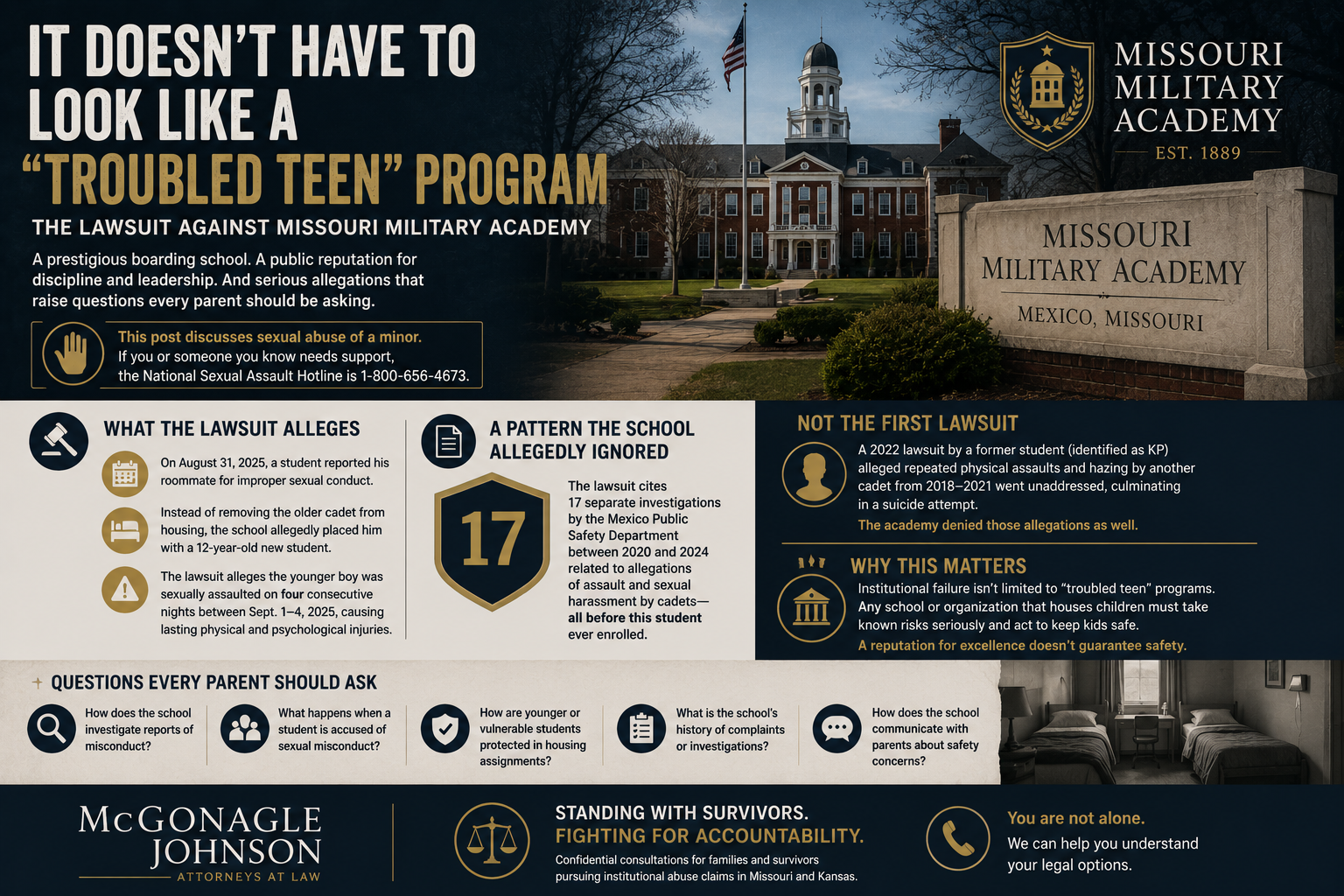
It Doesn't Have to Look Like a "Troubled Teen" Program
Not every institution accused of failing children calls itself a residential treatment center. The allegations against Missouri Military Academy are a reminder that abuse and institutional failures can occur anywhere children live away from home—including traditional boarding schools that market themselves as safe, structured educational environments.
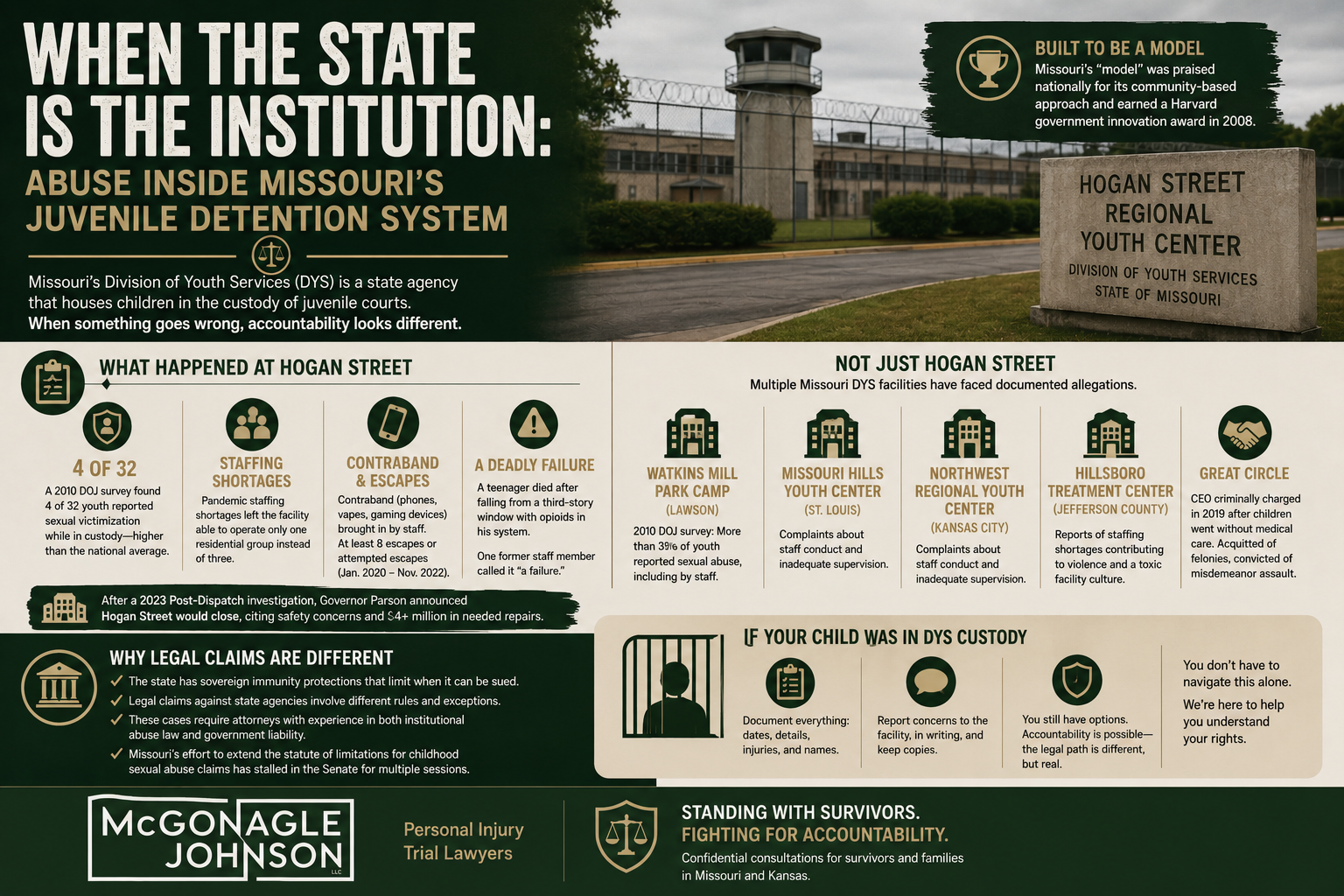
When the State Is the Institution: Abuse Inside Missouri's Juvenile Detention System
Missouri's Division of Youth Services has long been praised as a national model for juvenile justice. But reports from the U.S. Department of Justice, investigative journalists, and former staff paint a more complicated picture—one that raises difficult questions about safety, oversight, and accountability inside state-run juvenile detention facilities.
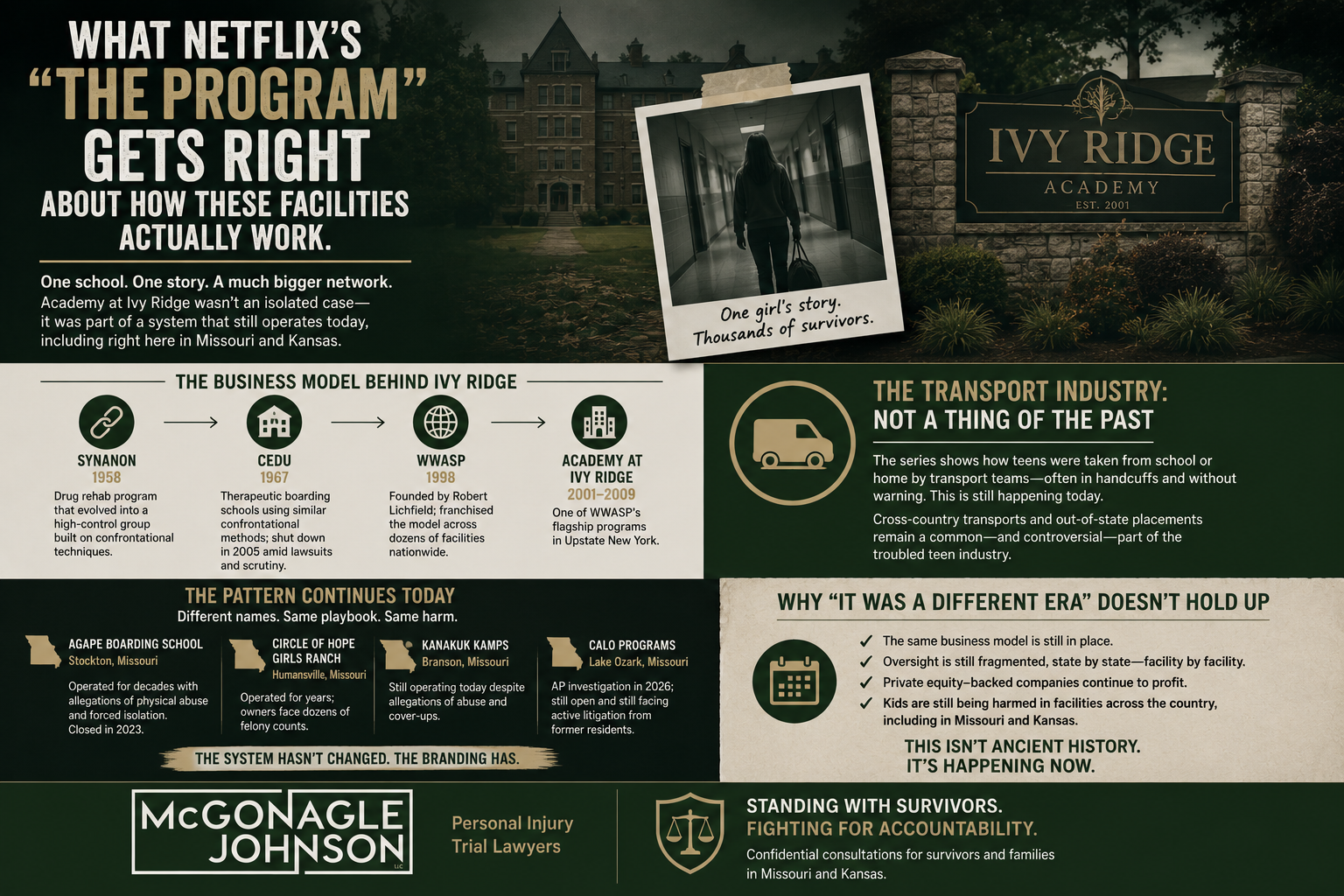
What Netflix's "The Program" Gets Right About How These Facilities Actually Work
Netflix's The Program: Cons, Cults, and Kidnapping tells the story of one abusive boarding school, but its legacy reaches far beyond a single campus. Here's what the documentary gets right—and why the same patterns continue to matter for families in Missouri and Kansas today.
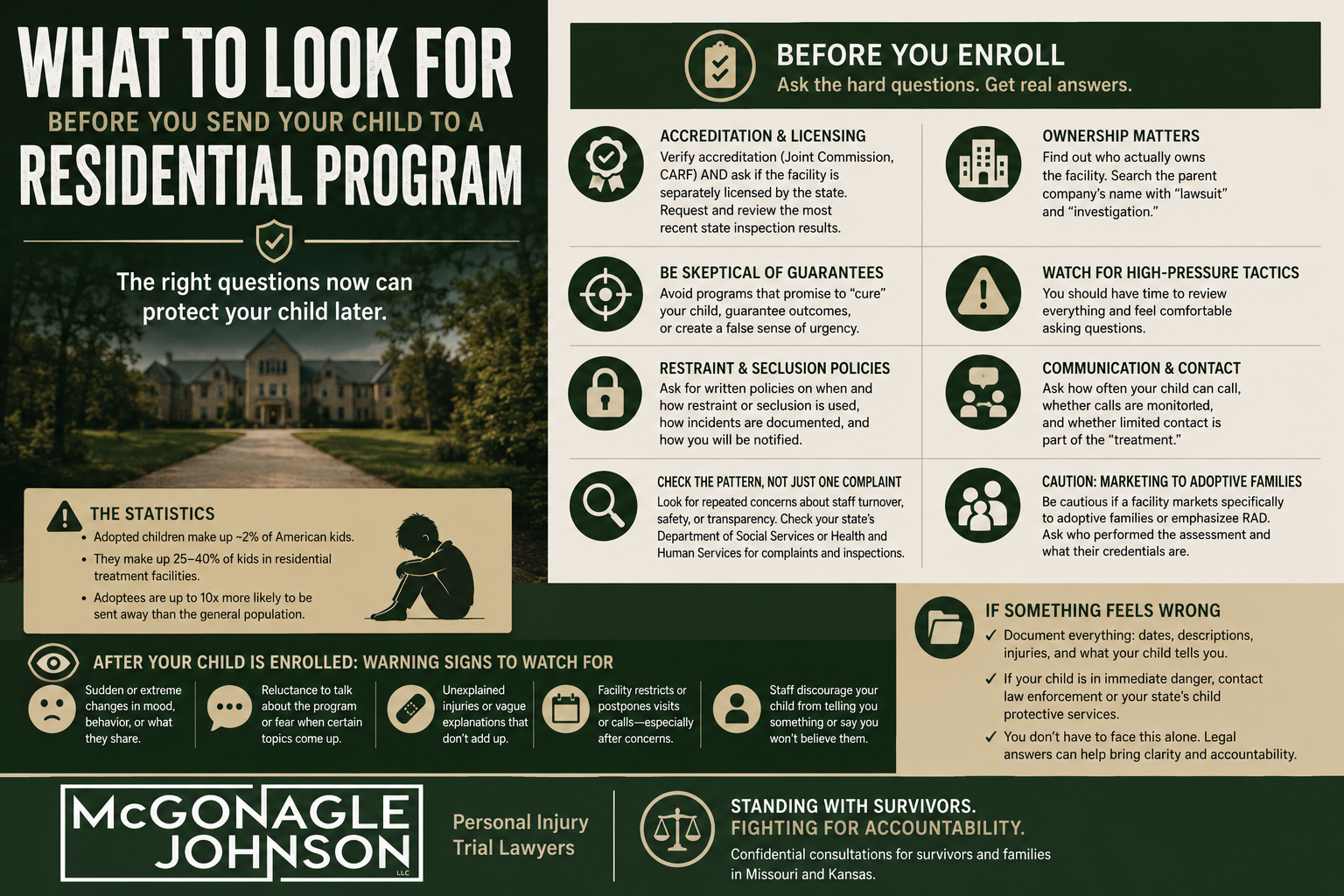
What to Look For Before You Send Your Child to a Residential Program
Choosing a residential treatment program is one of the hardest decisions a parent can make. Before you enroll your child, learn the questions to ask, the warning signs to watch for, and the red flags that survivors say should never be ignored.
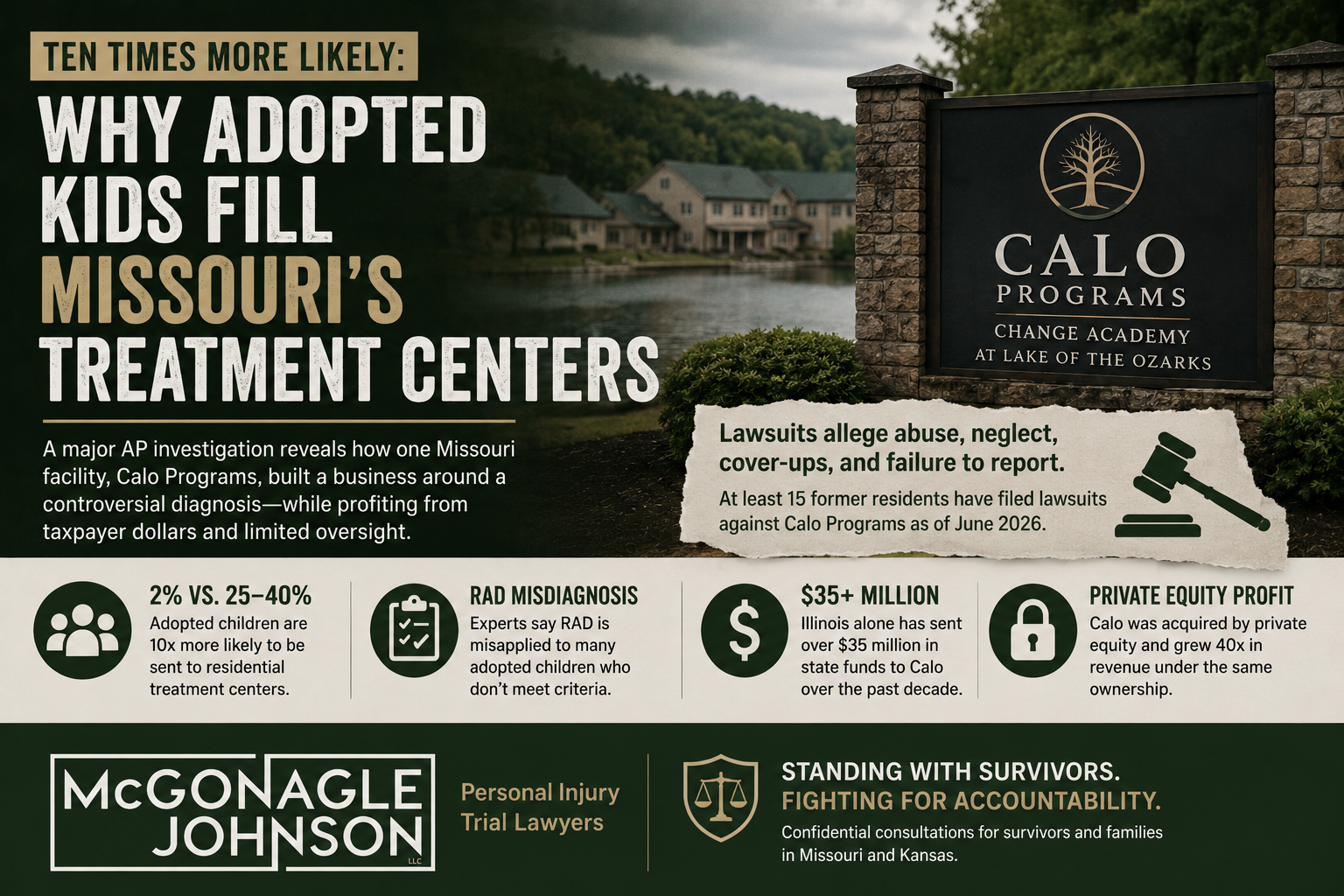
Ten Times More Likely: Why Adopted Kids Fill Missouri's Treatment Centers
Adopted children represent only about 2% of American kids but account for as many as 40% of youth in residential treatment facilities. Here's why Missouri's Calo Programs has become a focal point in the national conversation about private equity, questionable diagnoses, and institutional accountability.
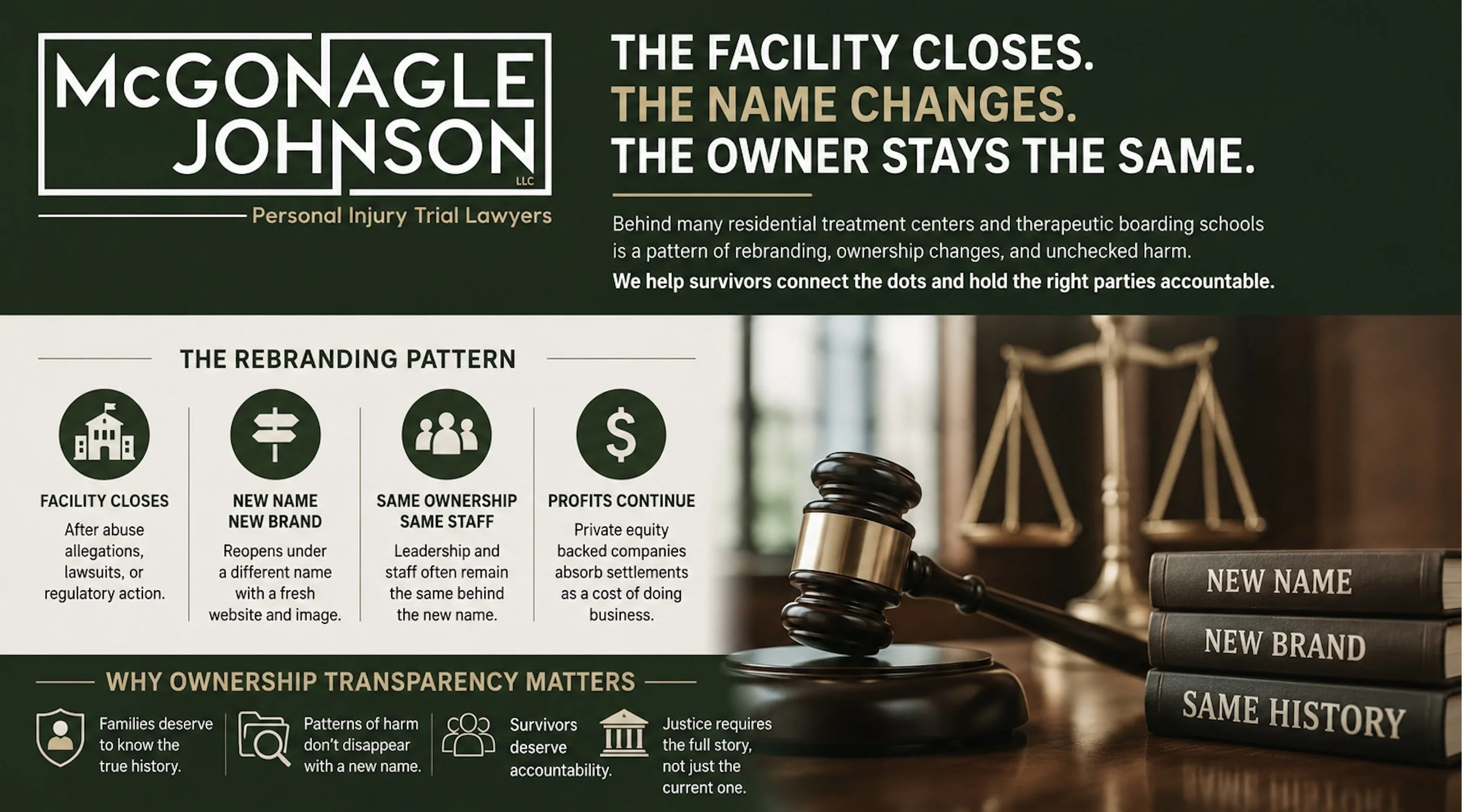
The Facility Closes. The Name Changes. The Owner Stays the Same.
A residential treatment facility's current name may reveal very little about its history. As ownership changes, facilities are often rebranded, merged, or renamed, making it difficult for families to uncover past allegations of abuse, neglect, or unsafe conditions before placing a child.
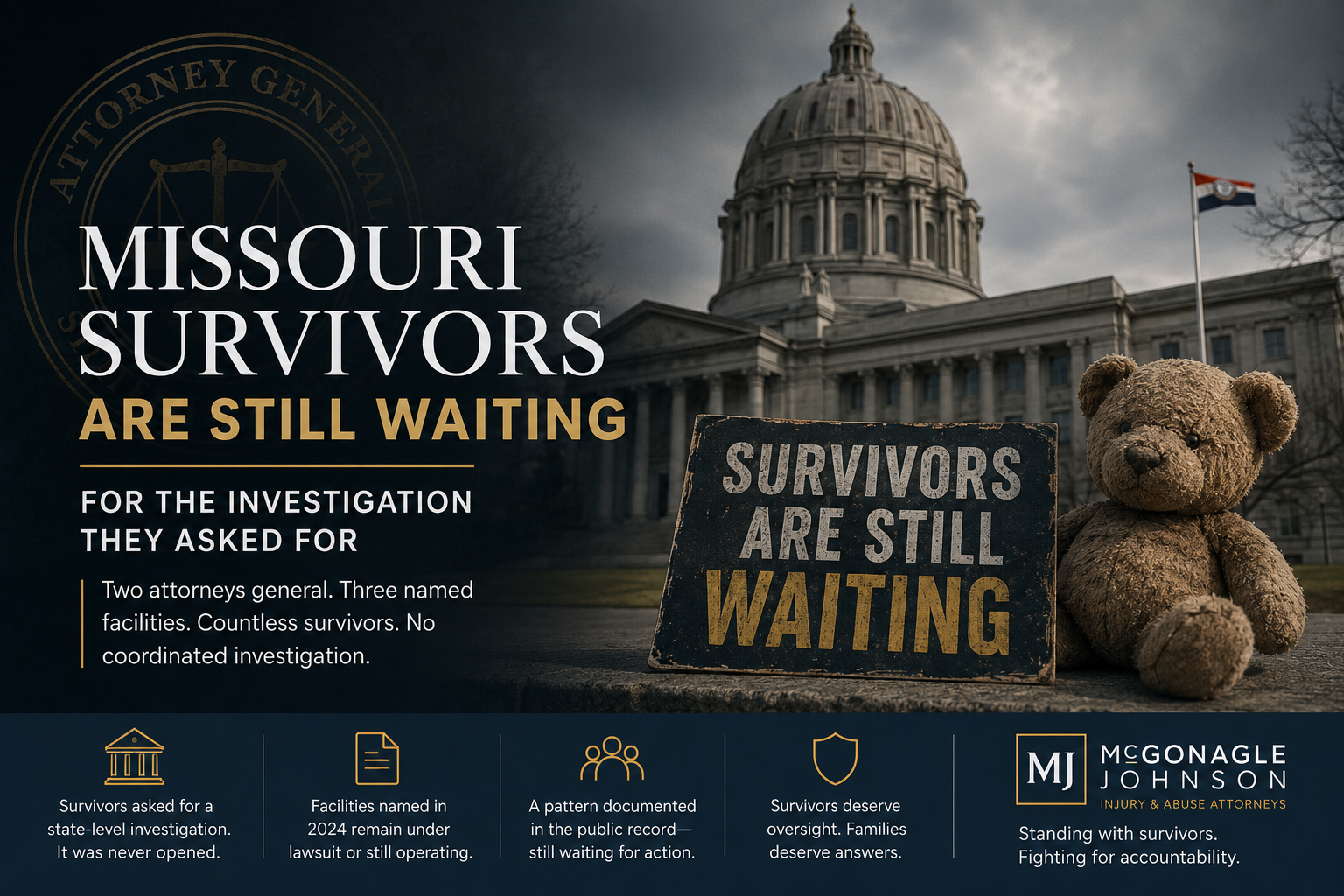
Missouri Survivors Are Still Waiting for the Investigation They Asked For
For more than two years, Missouri survivors have asked the state's attorney general to launch a coordinated investigation into abusive boarding schools and residential treatment programs. Despite mounting evidence and ongoing litigation, that investigation has yet to begin.
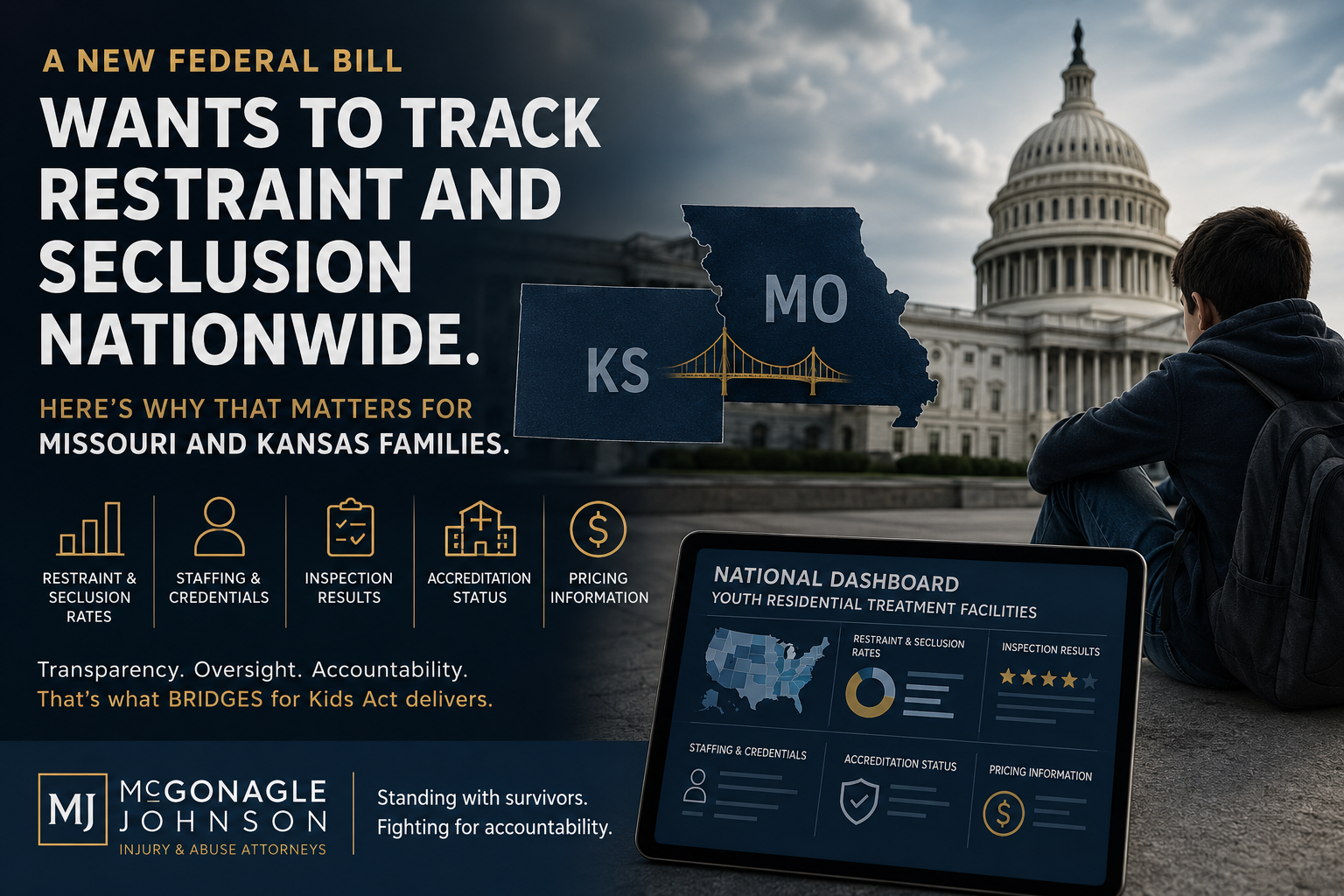
A New Federal Bill Wants to Track Restraint and Seclusion Nationwide. Here's Why That Matters for Missouri and Kansas Families.
Congress is considering the most significant federal oversight of youth residential treatment facilities in years. The proposed BRIDGES for Kids Act would create a national public database tracking restraint, seclusion, staffing, inspections, and more—changes that could have a major impact on Missouri and Kansas families seeking accountability.
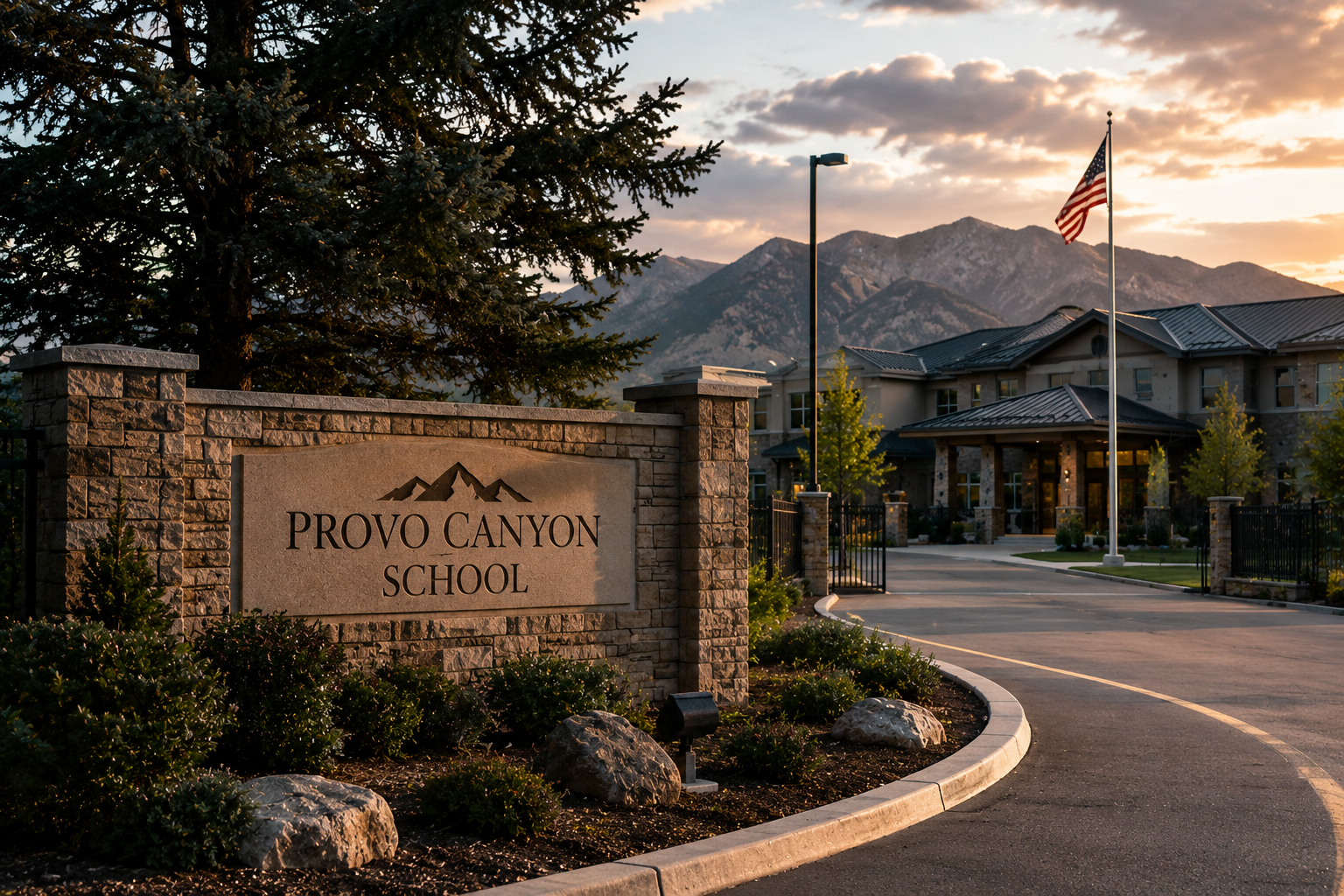
Utah Just Revoked Provo Canyon School's License. Missouri and Kansas Survivors Know This Story Too Well.
Provo Canyon School lost its license this week. Agape, Wings of Faith, and Circle of Hope show Missouri has its own troubled teen industry crisis.
Why We Support Unsilenced and the Movement for Troubled Teen Industry Accountability
For many survivors of abuse within the Troubled Teen Industry (TTI), understanding what happened to them is often a long and difficult journey.
Many young people entered therapeutic boarding schools, residential treatment centers, wilderness programs, behavior modification programs, and other youth facilities believing they were receiving help. Years later, many continue to struggle with the emotional, psychological, and physical effects of experiences that occurred behind closed doors.
At McGonagle Johnson, we have had the privilege of speaking with survivors and families from across the country. While every story is different, a common theme emerges: many survivors spend years believing they are alone.
That is one reason organizations like Unsilenced are so important.
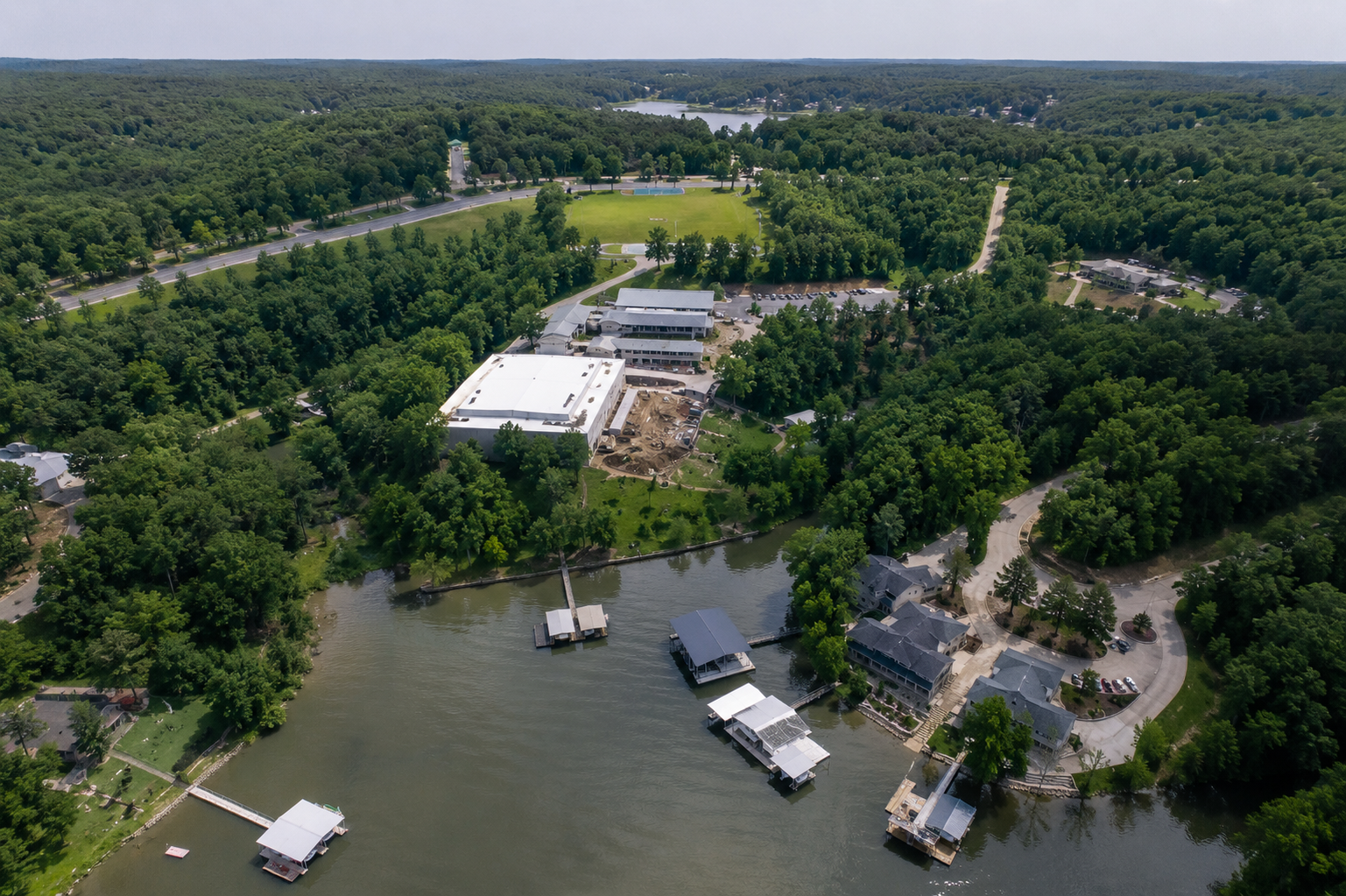
Calo Abuse Allegations Raise New Questions About Missouri's Troubled Teen Industry
Former residents of Calo Programs, also known as Change Academy at Lake of the Ozarks, have filed lawsuits alleging abuse, neglect, and inadequate supervision. Recent investigations by the Associated Press and Midwest Newsroom raise broader questions about Calo, Embark Behavioral Health, and the troubled teen industry.
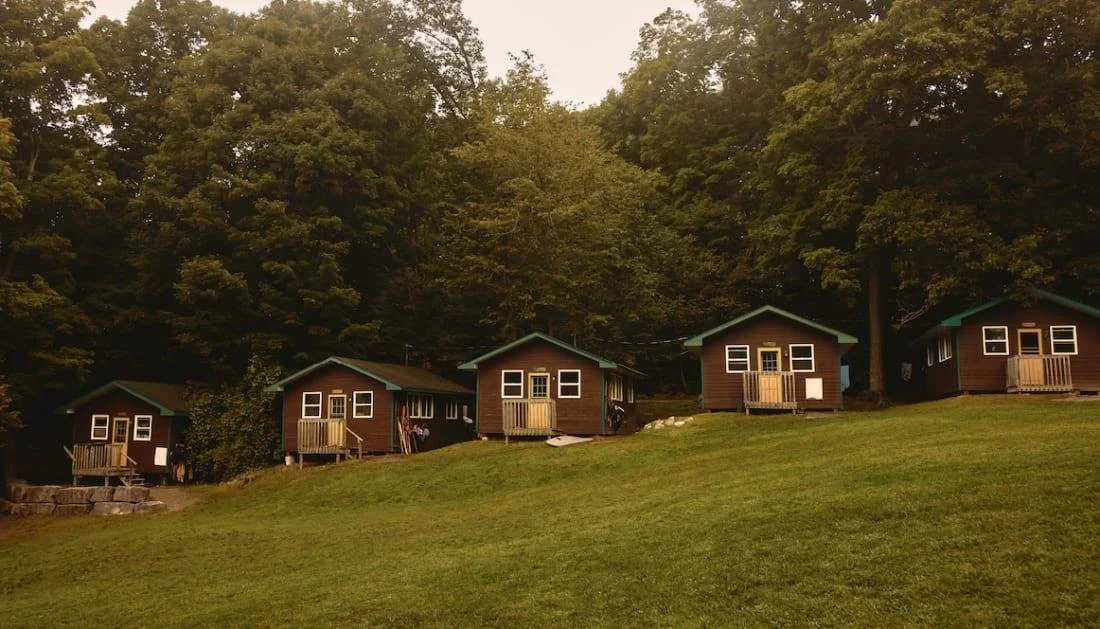
A Resignation Letter That Said Nothing.
Joe White has stepped down as CEO of Kanakuk after decades at the helm. His letter to camp families didn’t mention child sexual abuse once. Survivors noticed.A law named for a Camp Kanakuk victim is spreading state by state — and reshaping how civil settlements in child sexual abuse cases can be written.

Will Other States Follow? Trey’s Law — Born in Missouri — Is Now a National Movement.
A law named for a Camp Kanakuk victim is spreading state by state — and reshaping how civil settlements in child sexual abuse cases can be written.